Epstein File EFTA00000182.pdf 2026
Description
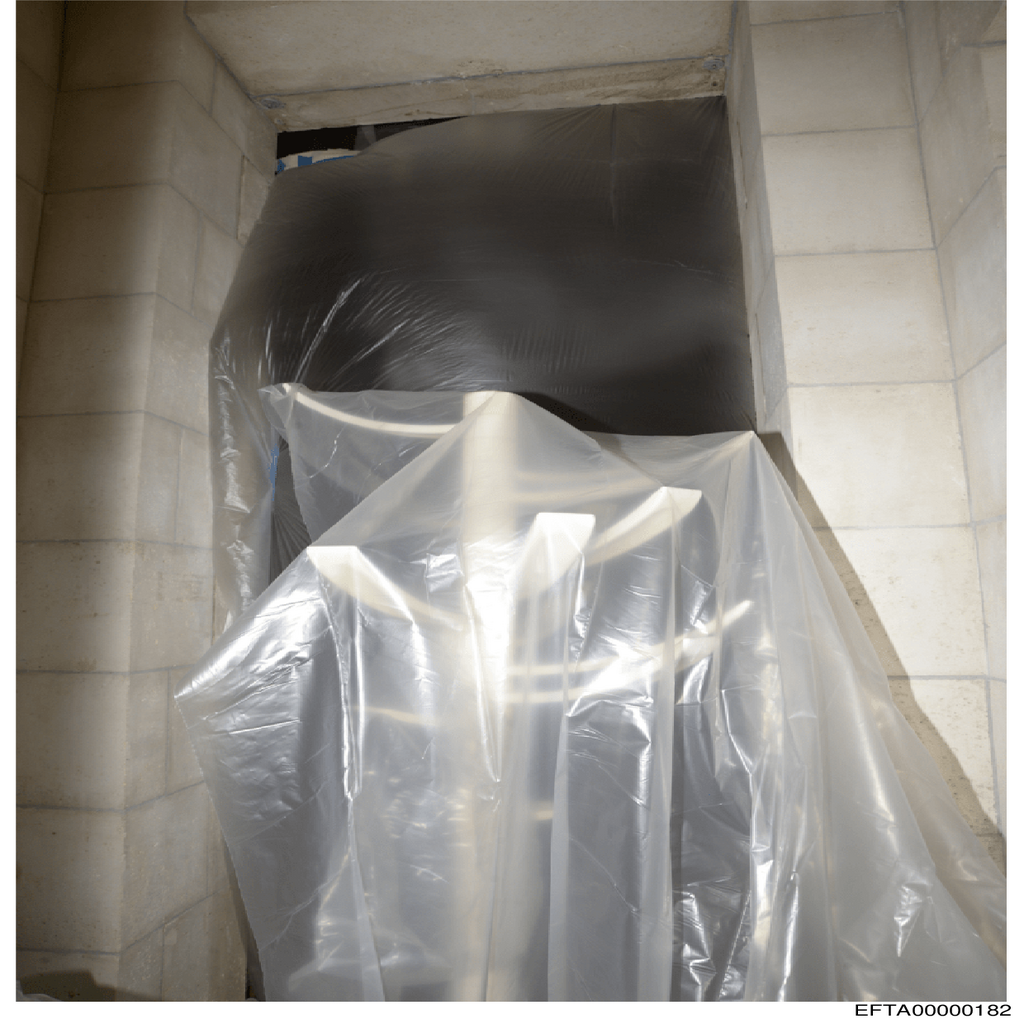
The image depicts a partially obscured architectural feature, likely a doorway or a window, enveloped in layers of transparent and black plastic sheeting, creating an intriguing interplay of light and shadow. The surrounding structural elements exhibit a blend of smooth and textured surfaces, indicative of stone masonry, featuring light-colored stone blocks that are cleanly finished and meticulously arranged in a linear pattern. The rigid edges of the stone contrast sharply with the soft, billowing forms of the plastic draped over the concealed area, suggesting an ongoing construction or renovation project. Glimmers of light reflect off the surface of the transparent plastic, while the underlying black backing suggests depth and dimension, perhaps hinting at contents hidden from view or an area undergoing significant modification. The scene evokes a sense of mystery and anticipation, inviting viewers to ponder what lies behind the protective barrier. The stark juxtaposition of the rigid architecture and flexible materials conjures themes of protection, impermanence, and transformation within built environments. The clean lines of the stone structure frame the chaos of the plastic, creating a visually compelling contrast that draws the eye upward towards the obscured top section, while the lower folds of the plastic cascade down, adding a sense of movement to the stillness of the surrounding architecture. The lighting conditions in this interior space highlight the textures and contours of the materials, accentuating the plastic's sheen and the stone's solidity. This captures an essence of renovation spaces where the intersection of the old and new creates a rich narrative about construction practices, preservation efforts, and the transient nature of spaces under transformation. The image ultimately serves as a window into a moment of change, an invitation to consider the layers of history etched in the stone against the veil of modern materials, balancing functionality with aesthetic intrigue.