Epstein File EFTA00000542.pdf 2026
Description
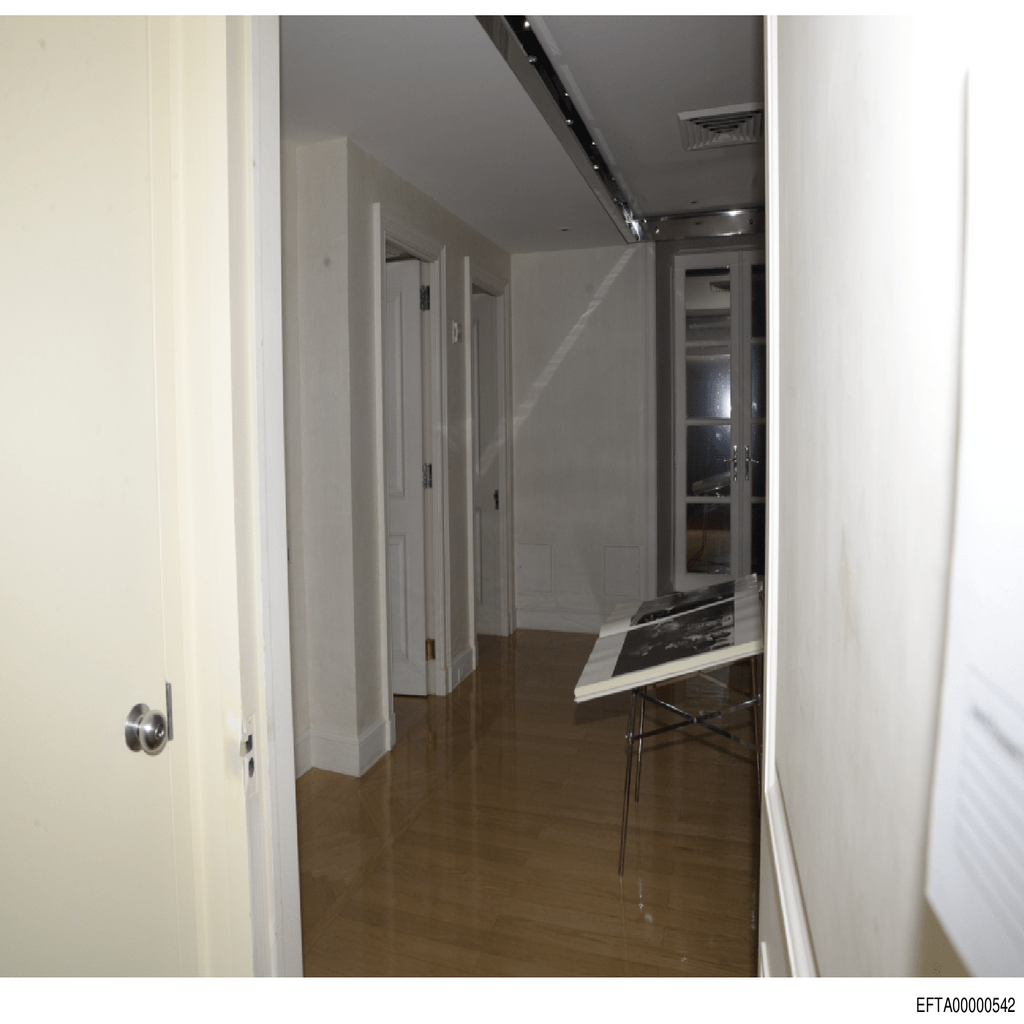
The image captures a hallway within a modern interior space, characterized by a minimalist design aesthetic that emphasizes cleanliness and functionality. The walls are painted in a soft beige tone, providing a warm and inviting atmosphere enhanced by the subtle sheen of the polished wooden flooring that runs seamlessly through the corridor. The floor's glossy finish reflects light, contributing to the overall brightness of the area. To the left, there is a closed door with a sleek, metallic doorknob, adding a contemporary touch to the otherwise understated aesthetics. Adjacent to this door, an additional entrance is partially visible, leading to an unknown space, possibly another room or area within the premises. This door is framed by clean lines, further accentuating the modern architectural design. As the viewer's gaze moves down the hallway, more doors appear, suggesting a layout that allows for multiple entries and exits, indicative of a well-planned living or working environment. One of these doors is slightly ajar, hinting at the possibility of activity or movement within. In the distance, there is a glass door that reflects the light and surroundings, effectively integrating the outdoor view into the interior ambiance, offering a sense of openness and connection to external elements. Prominently positioned within the hallway is a folding table, on which rests a large, flat surface adorned with black-and-white photographs. This table appears to be placed somewhat carelessly, providing a contrast to the otherwise orderly environment, which may suggest an ongoing activity such as an exhibition, an art project, or a casual gathering space that encourages interaction and creativity. The choice of monochrome images can evoke a sense of nostalgia or artistic expression, making a strong visual statement against the muted tones of the hallway. The lighting is soft yet effective, coming from recessed fixtures embedded in the ceiling, which not only illuminate the space but also highlight the architectural features of the corridor. The combination of natural light filtering through the glass door and artificial lighting creates a balanced atmosphere, enhancing the textures of the walls and floor while maintaining a cozy and inviting environment. In terms of design elements, the lack of excessive decor reflects a commitment to minimalism, allowing the structural components of the space to take center stage. The overall composition conveys a sense of tranquility and order, suggesting that this corridor serves as a transition area rather than a destination space. The careful arrangement of doors and the transparent nature of the glass offer a glimpse into the functional aspects of the hallway, emphasizing its role in facilitating movement while simultaneously showcasing elements of artistic expression. The subtle interplay between functionality and aesthetics is evident throughout the image, inviting viewers to contemplate the purpose of each element within the hallway. The warm colors, reflective surfaces, and carefully chosen design details work together to create an environment that feels both practical and elegant. All in all, this hallway not only serves its primary purpose as a conduit between different parts of the interior but also stands as a testament to thoughtful design and the seamless integration of art within everyday life.